Some traditional leaders and citizens have faulted government’s use of the Unified Beneficiary Registry (UBR) to identify households for social protection programmes. Two traditional leaders in Mulanje and Salima districts and a concerned subject in Nkhotakota said the new system, also known as the Malawi Social Registry (MSR), being used to identify households for social protection programmes, including the 2025/2026 lean season food insecurity response, alleging the system is duplicating some beneficiaries while excluding others, including vulnerable populations.
They asserted that the process has marginalised community involvement, which is used to identify beneficiaries, and is now relying solely on data-driven mechanisms that do not reflect realities on the ground.
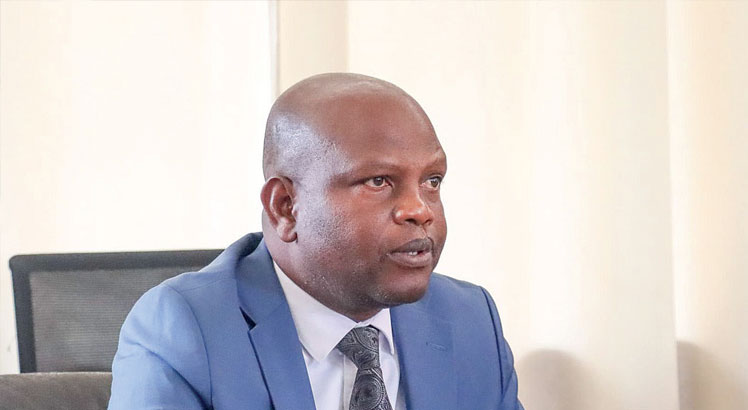
Mulanje’s Traditional Authority Njema expressed disappointment, saying: “The government is not using us traditional leaders to identify beneficiaries for the 2025/2026 lean season food insecurity response programme that the Department of Disaster Affairs Management (Dodma) is implementing in the country.
“The District Council officials just come and announce names of beneficiaries at school grounds. They say they use UBR to identify the beneficiaries. This has allowed people who are already on other social protection programmes such as the Social Cash Transfer and Climate Smart programmes to again be put on the lean season food insecurity response programme.”
Njema claims the government data system does not reflect the situation on the ground and urged for accurate beneficiary targeting.
In addition to duplication, Njema is concerned about the system’s inability to verify the status of beneficiaries.
He explained: “In some cases, more members of a particular household are being identified as beneficiaries, yet not a single member of other households is being selected. This discrepancy results in unfair distribution and leaves many vulnerable households unassisted.”
Group Village Head Chibade, also from Mulanje, echoed Njema’s frustrations, and said the system’s shortcomings are compounded by the exclusion of local leaders.
“It is true that the same people who benefit from other social protection programmes are benefiting from the lean season food insecurity programme. Leaving others who are not on any social cash programme to suffer is unfair.
“Worse still, the system that is being used cannot tell if the identified beneficiaries are alive or deceased. Some beneficiaries are deceased, yet they still appear on the list,” he claimed.
Traditional Authority Kalonga from Salima District shared concerns about the lack of community involvement and the problematic nature of the beneficiary lists.
He decried the exclusion of traditional leaders from the process of identifying beneficiaries, saying this has resulted in some beneficiaries of one social protection programme also being considered for the lean food insecurity response programme.
“As a leader, I cannot say those people must be removed from the list because they are poor, and what they get from other social protection programmes is not enough to sustain them. It’s just a difficult situation we are in,” he said.
In Nkhotakota District, Elina Chuma also blamed the system for identifying beneficiaries, saying she has a disabled child who needs special care, “but unfortunately, my family has never benefited from any social protection programme”.
But responding to the concerns, Mulanje District Commissioner MacMillan Magomero defended the beneficiary identification system.
“UBR is a very good system and there is no such a thing as duplication. The issue is that the chiefs are trying to undermine the system because they are unhappy that they are no longer involved in the identification of beneficiaries for social protection programmes,” said Magomero, challenging the chiefs to bring evidence for their claims on duplication.
On his part, Salima district commissioner James Mwenda said he would verify claims of duplication with the officers who conducted the identification exercise.
National director for Civil Society Agriculture Network (Cisanet), Elizabeth Mnenula Namaona, acknowledged the concerns raised by traditional leaders.
“As Cisanet, we acknowledge the issues being raised regarding the beneficiary identification process. It is important that any targeting mechanism, whether through the UBR or other systems, remains transparent, inclusive, and reflective of the realities on the ground,” she said.
Added Namaona: “A blended approach that combines verified community input with updated data systems may offer the most reliable way to ensure food reaches the most vulnerable households.”
Commissioner for Disaster Wilson Moleni acknowledged receipt of our questionnaire on Tuesday and promised to revert, but he had not done so by press time.
Commenting on the issue, agriculture expert Tamani Nkhono-Mvula proposed the use of community structures to identify beneficiaries.
“There is a high chance that people who were not supposed to benefit would benefit due to the use of this technical system [UBR). Use of community structures like the Area Development Committees and Village Development Committees is ideal now. Otherwise, the programme will not achieve the intended results,” he said.